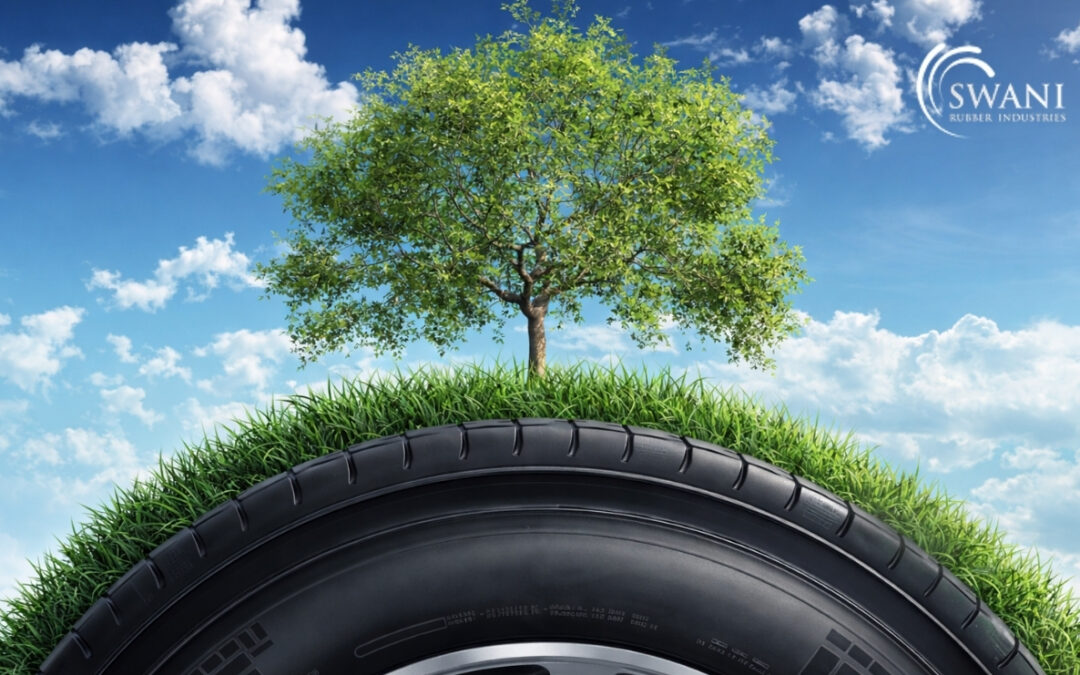
Sustainability has moved beyond mere discussion. Businesses now recognise their responsibility towards environmental protection, leading them to prioritise careful resource and energy management to reduce their carbon footprint and benefit the planet.
The rubber industry is entering a new era. Historically criticised for its intensive energy use and significant waste, the critical question now is: Can rubber manufacturing truly become environmentally friendly while preserving its crucial properties of strength and reliability?
Smarter material choices provide the answer. Natural Reclaim Rubber is a powerful solution that enables manufacturers to reduce waste, lower carbon emissions, and decrease reliance on virgin raw materials. This responsible reuse of rubber supports the creation of low-carbon rubber without compromising performance standards.
In this article, we’ll explore how Natural Reclaim Rubber is reshaping eco-friendly rubber production, why it matters for sustainability goals, and how businesses can benefit from adopting this cleaner, more efficient approach to manufacturing.
What Is Natural Reclaim Rubber?
Natural reclaim rubber is made by recycling waste rubber, such as used tyres and leftover rubber from industrial processes. Instead of being disposed of in landfills, this rubber is carefully processed and given a new life in fresh rubber products. It’s a simple idea, but it creates a significant positive impact on the environment.
Here’s how natural reclaimed rubber helps:
Reduces waste: Keeps old rubber out of landfills
Saves natural resources: Lowers the need for new raw materials
Uses less energy: Requires less energy than making rubber from scratch
Supports sustainability: Helps industries produce eco-friendly rubber products
By reusing rubber in this way, natural reclaimed rubber supports cleaner production while still meeting quality and performance needs.
Lower Carbon Emissions in Rubber Manufacturing
Making rubber from new raw materials uses a large amount of energy, water, and chemicals. This process releases high levels of greenhouse gases into the air. Natural reclaimed rubber helps solve this problem by reducing the need to produce fresh rubber, which lowers the overall carbon footprint.
When existing rubber is reused:
Less energy is needed to process the material
Fewer fossil fuels are burned during production
CO₂ emissions are significantly reduced
As a result, natural reclaimed rubber is crucial for developing low-carbon rubber alternatives and fostering cleaner, more sustainable production methods.
Supporting Eco-Friendly Rubber Production
Eco-friendly rubber production focuses on environmentally conscious manufacturing by prioritising the wise use of resources, waste reduction, and pollution limitation throughout all stages. A key component in achieving these aims is the use of natural reclaimed rubber, which transforms discarded rubber into a valuable, reusable material.
Some of the key environmental benefits include
Less rubber waste in landfills, helping keep the environment clean
Reduced demand for new rubber plantations, which supports forest and land conservation
Lower chemical usage, making the production process safer and cleaner
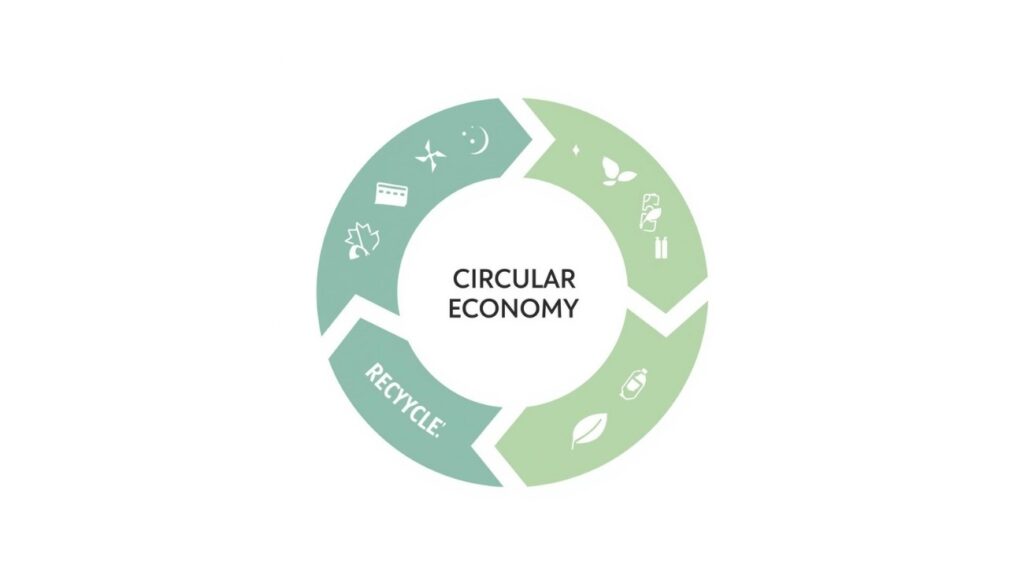
By choosing natural reclaimed rubber, manufacturers actively support a circular economy, where materials are reused instead of discarded. This not only reduces environmental impact but also encourages a more sustainable and responsible future for the rubber industry.
Energy and Resource Savings
A major benefit of reclaimed rubber is its energy efficiency. Producing reclaimed rubber demands significantly less power than manufacturing new rubber from raw materials. This results in a reduced carbon footprint and lower production expenses, offering advantages for both the environment and manufacturers.
Natural reclaim rubber also helps save valuable resources, including:
Natural rubber, by reducing the need for fresh harvesting
Water, which is often heavily used during rubber processing
Non-renewable materials help protect resources that cannot be replaced
By using less energy and fewer resources, Natural Reclaim Rubber supports a cleaner, more responsible way of manufacturing rubber products.
Quality Without Compromising Sustainability
Recycled materials were once considered inferior, but that perception is outdated. Today, thanks to modern processing, natural reclaimed rubber delivers reliable consistency, strength, and performance. This empowers manufacturers to meet high product standards while remaining environmentally responsible.
Today, natural reclaimed rubber is widely used in:
Automotive parts that require durability and reliability
Industrial rubber products built for daily use
Footwear and moulded goods where flexibility and strength matter
By using reclaimed rubber, manufacturers can deliver dependable products while still meeting their sustainability goals. This balance of performance and environmental responsibility makes Natural Reclaim Rubber a smart choice for eco-friendly rubber production.
A Step Toward a Greener Future
What if manufacturing rubber products could be better for the planet without changing how they perform? As customers become more eco-conscious and environmental regulations grow stricter, industries can no longer ignore sustainability. They need solutions that are both practical and responsible.
Natural reclaimed rubber offers exactly that. It provides a proven way to reduce emissions and support low-carbon rubber manufacturing without compromising quality or performance.
By switching to Natural Reclaim Rubber, companies can:
Reduce their environmental impact
Make production more sustainable and future-ready
Achieve carbon footprint reduction without sacrificing quality
This shift isn’t just about meeting regulations; it’s about building a cleaner, greener future through smarter manufacturing choices.
Conclusion
What if the future of rubber could be both strong and sustainable? Natural reclaimed rubber shows that this future is already possible. More than just a recycled material, it is a smart solution that helps responsibly reshape the rubber industry.
By lowering energy use, cutting carbon emissions, and reducing waste, Natural Reclaim Rubber supports eco-friendly rubber production and makes low-carbon rubber solutions achievable without compromising quality.
Natural Reclaim Rubber enables the creation of low-carbon rubber solutions without sacrificing quality, promoting eco-friendly rubber production through reduced energy consumption, lower carbon emissions, and decreased waste.
In the end, choosing natural reclaimed rubber isn’t just a business decision; it’s a commitment to the planet. It’s a simple choice today that leads to a cleaner, greener, and more sustainable tomorrow.
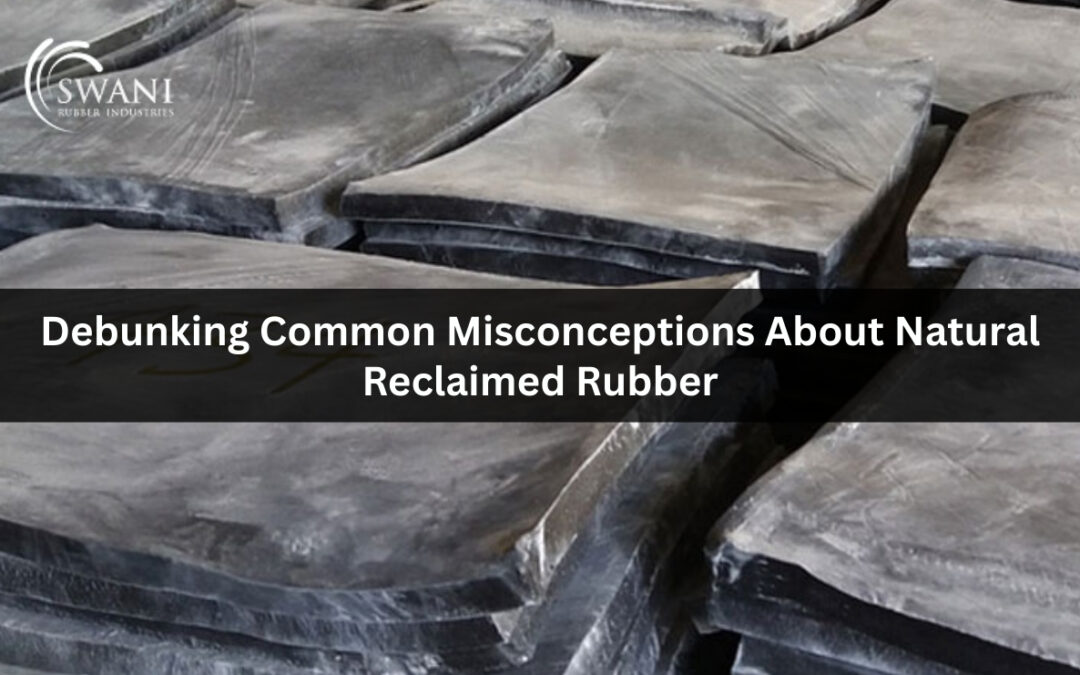
What many call “waste” can often be incredibly valuable! The misconception is that natural reclaimed rubber is inferior, weak, or only suited for low-cost goods. While that might sound true, it’s actually untrue.
Here’s the truth: what many see as “old” or “waste” has become a strong and valuable material.
Modern reclaimed rubber is now produced using improved methods and advanced technology. It offers strength and reliability, making it suitable for many critical products. With a growing focus across industries on environmental protection, it is essential to discard outdated misconceptions about this material.
Let’s clear the confusion, break the myths, and learn the real facts about natural reclaimed rubber, an eco-friendly material that deserves more credit.
Misconception 1: Natural Reclaim Rubber Is Low Quality
Many people think that natural reclaim rubber is not as good as new rubber. They believe it is weak, unreliable, or doesn’t last long. This is one of the most common misunderstandings.
The truth is different. Today, modern reclaiming processes bring back the rubber’s strength, flexibility, and elasticity. High-quality natural reclaimed rubber goes through strict checks and meets performance standards.
Consequently, it is a material of choice for demanding applications such as automotive components, footwear, and various industrial goods. When processed correctly, reclaimed rubber delivers reliable performance, frequently matching the quality and expectations set by virgin rubber.
Misconception 2: Reclaimed Rubber Can’t Match Virgin Rubber Performance
A common belief is that reclaimed rubber can never perform as well as virgin rubber. Many assume new materials are always better.
The reality tells a different story. When reclaimed rubber is compared with virgin rubber, it performs very well in real-life applications. While virgin rubber may be slightly purer, reclaimed rubber still delivers strong and dependable results where it matters most.
Natural reclaimed rubber offers:
Good tensile strength and elasticity
Reliable durability for repeated use
Excellent ability to blend with virgin rubber
In most rubber applications, the performance difference is minimal. However, reclaimed rubber offers significant cost savings and environmental advantages, making it a sustainable and intelligent option.
Misconception 3: Natural Reclaimed Rubber Is Not Durable
There is a general assumption that natural reclaimed rubber wears out quickly or breaks down faster than new rubber. This belief comes from old ideas, not from how reclaimed rubber is used today.
Here’s the truth. Durability depends on how the rubber is formulated, not on whether it is reclaimed. When reclaimed rubber is properly compounded, it shows strong resistance to wear, pressure, and environmental stress.
Because of this strength, it is widely used in:
Mats and flooring
Seals and gaskets
Automotive and industrial components
Durability is a result of smart design and proper processing, not a limitation of natural reclaimed rubber.
Misconception 4: Reclaimed Rubber Is Not Environmentally Effective
Some people think reclaimed rubber does not make a real difference to the environment. Because it is reused material, it is often seen as less helpful in solving environmental problems. This belief, however, is not true.
The facts tell a clearer story. Natural reclaimed rubber plays an important role in protecting the environment and stands out among today’s sustainable rubber materials. By reusing rubber, it helps reduce waste and save natural resources in several important ways:
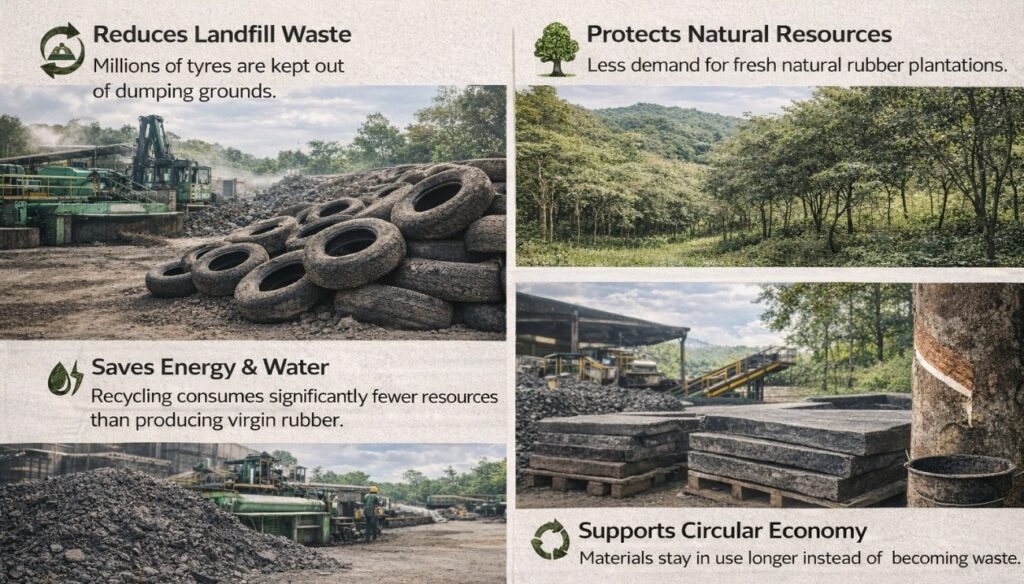
Reduces landfill waste: Reusing old rubber products prevents them from being discarded, thereby slowing the rate at which landfills become full.
Lowers demand for natural rubber plantations: Using reclaimed rubber reduces the need for new rubber, helping protect forests and natural land.
Saves energy and water: Producing reclaimed rubber uses less energy and water compared to making new rubber from raw materials.
As one of the most practical sustainable rubber materials, reclaimed rubber supports a circular economy. It allows industries to reuse valuable resources while maintaining efficiency, performance, and environmentally responsible manufacturing.
Misconception 5: Reclaimed Rubber Can Only Be Used for Low-End Products
Another common myth is that reclaimed rubber is only used for cheap or short-term products. Many assume it cannot meet the quality needed for serious applications.
The reality is very different. Today, reclaimed rubber is widely used in many industries because it offers reliable performance and strength. You can find reclaimed rubber in rubber products such as:
Automotive components
Conveyor belts
Footwear soles
Construction materials
With modern processing and smart blending techniques, reclaimed rubber meets both performance and quality expectations. It is no longer limited to low-end uses and has become a trusted material for a wide range of rubber products.
Why Industries Are Choosing Natural Reclaimed Rubber
Today, industries are searching for materials that offer the right balance of performance, cost, and sustainability. This is why more manufacturers are choosing natural reclaimed rubber. It provides a practical solution without compromising on quality or reliability.
Manufacturers are turning to natural reclaimed rubber because it offers several clear benefits:
Cost-effective material sourcing: Reclaimed rubber helps reduce raw material costs while still meeting production and quality requirements.
Reliable performance across applications: It performs well in a wide range of uses, including automotive parts, industrial products, and other demanding applications.
Reduced environmental footprint: Reusing rubber cuts down on waste, saves energy, and lowers the need for new natural resources.
Support for sustainability goals: Using reclaimed rubber helps companies meet their sustainability targets and adopt responsible manufacturing practices.
Natural reclaimed rubber is not a second-choice material. It is a smart, efficient, and future-ready solution for industries that want strong performance while caring for the environment.
Here are the environmental benefits of natural reclaimed rubber:
Final Thoughts
In the end, old myths about natural reclaimed rubber no longer match today’s reality. Thanks to modern technology, better processing methods, and proven performance, reclaimed rubber has become a reliable and trusted choice for manufacturers around the world.
When businesses understand the real facts, they can make smarter decisions, ones that balance quality, cost, and sustainability without giving up on performance. Choosing the right material is no longer just about strength; it’s also about responsibility.
Natural reclaimed rubber clearly shows that sustainability and strength can work together, creating better outcomes for both industry and the environment.
FAQs:
1. Is natural reclaimed rubber reliable for regular production?
Customers want to know if they can depend on it. This question builds trust and addresses quality concerns directly.
2. Will switching to reclaimed rubber change my product performance?
This helps buyers understand reclaimed rubber performance without fear of losing quality.
3. How does reclaimed rubber help reduce manufacturing costs?
A very practical question that targets decision-makers comparing reclaimed rubber vs. virgin rubber.
4. Can natural reclaimed rubber meet industry quality standards?
This reassures customers about safety, consistency, and compliance.
5. Is reclaimed rubber the right choice for sustainable rubber products?
This connects directly with eco-conscious buyers looking for sustainable rubber materials.
What if reducing your environmental footprint could also boost your business performance? Around the world, businesses are looking for ways to reduce their environmental impact while still delivering high-performing products. One solution that’s gaining attention is reclaim rubber for automotive and industrial use. Not only is it cost-effective, but it also offers an eco-friendly alternative to traditional rubber, helping industries rethink manufacturing and product design.
In this blog, we’ll explore:
How reclaim rubber is changing the automotive and industrial sectors
The environmental and economic benefits of using reclaimed rubber
Real-world examples of industries successfully adopting this sustainable solution
By the end, you’ll see why reclaim rubber is becoming a smart choice for businesses aiming to combine performance with responsibility.
Understanding Reclaimed Rubber in Manufacturing
Reclaim Rubber is all about giving a second life to used rubber. It starts with materials like old tyres, industrial scrap, and other rubber waste, which are carefully recycled through specialized processes. The result is a high-quality, reusable rubber that can be used across a wide range of automotive and industrial applications.
But reclaim rubber isn’t just practical; it’s also good for the planet. By choosing this eco-friendly rubber solution, businesses can:
Reduce landfill waste and prevent rubber from piling up as waste
Lower their overall carbon footprint, supporting greener operations
Access a reliable alternative to traditional rubber without compromising on performance
For companies looking to embrace sustainable manufacturing, reclaim rubber offers a smart, responsible way to balance environmental care with industrial efficiency.
How reclaim rubber is changing the automotive and industrial sectors
The automotive sector is one of the largest consumers of rubber products, from tyres and seals to industrial belts and vibration dampers. As companies look for ways to cut costs and adopt more sustainable practices, natural reclaim rubber is rapidly emerging as a smart alternative to traditional virgin rubber.
Cost Efficiency: Reclaimed rubber is significantly more affordable than virgin rubber, allowing manufacturers to reduce production expenses without sacrificing product quality. This makes it an attractive choice for companies aiming to optimize their budgets while maintaining high standards.
High Durability: Modern processing techniques ensure that reclaim rubber meets the strict performance and safety standards required for automotive applications. Whether it’s used in tyres, gaskets, or belts, it delivers consistent strength and reliability.
Versatility: One of the biggest advantages of reclaimed rubber is its adaptability. It can be used in a wide range of automotive components, including heavy-duty tyres, industrial belts, gaskets, and vibration dampers, making it a truly multi-purpose material.
Sustainability: Incorporating reclaimed rubber into manufacturing helps reduce rubber waste, lowers the industry’s carbon footprint, and aligns with global initiatives for environmentally responsible production. Companies can demonstrate their commitment to sustainability while still meeting industrial demands.
By integrating reclaim rubber, automotive companies can enhance their product portfolio, reduce costs, and strengthen their environmental credentials, making it a solution that benefits both business and the planet.
The Environmental and Economic Benefits of Using Reclaimed Rubber
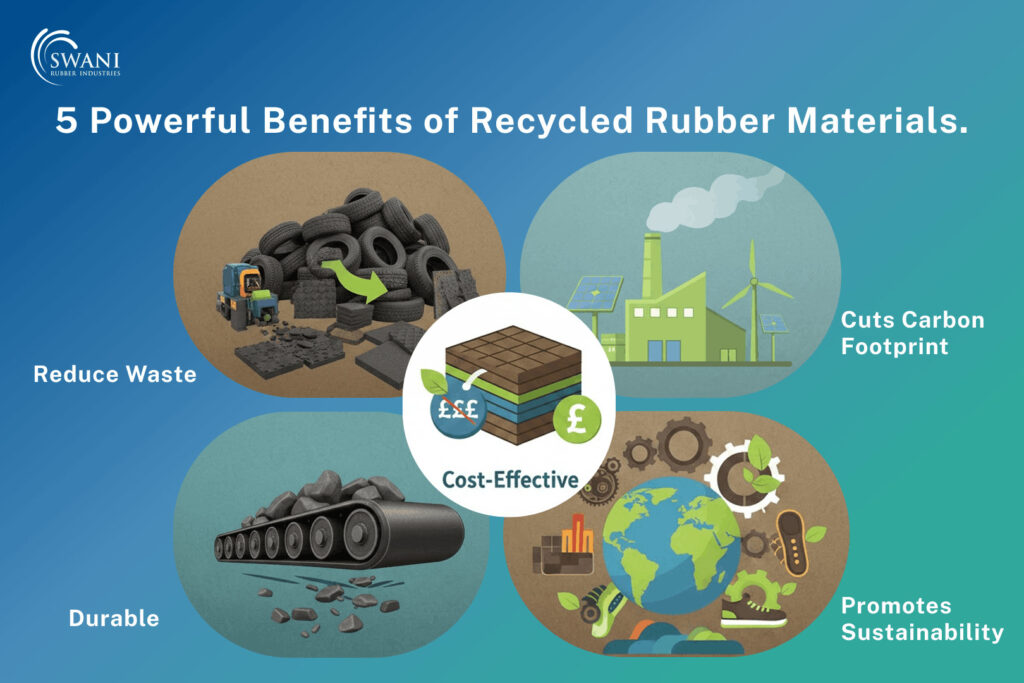
Reclaim rubber is not just good for business, but it’s also good for the planet. Giving old tyres and industrial rubber a new life, it helps reduce waste and keeps materials out of landfills. At the same time, it offers a cost-effective alternative to new rubber without compromising quality or durability.
Reduces Waste: Turns old rubber into useful products instead of adding to landfills.
Cuts Carbon Footprint: Supports more sustainable manufacturing practices.
Cost-Effective: High-quality material at a lower cost than virgin rubber.
Durable and Reliable: Perfect for heavy-duty applications.
Promotes Sustainability: Encourages eco-friendly rubber solutions for the future.
Choosing reclaimed rubber is a simple way to combine smart business sense with environmental responsibility.
Real-World Examples of Industries Successfully Using Reclaimed Rubber
Sustainability is more than a trend; industries around the world are proving that eco-friendly choices like reclaim rubber make smart business sense. Reclaim rubber is a perfect example of this:
Automotive Sector: Manufacturers turn old tyres into high-quality gaskets, seals, and even new tyres, saving costs while reducing waste.
Construction Industry: Recycled rubber is used for flooring, mats, and insulation, creating durable products that are gentle on the environment.
Heavy Machinery & Manufacturing: Conveyor belts, vibration dampers, and protective seals made from reclaimed rubber perform just as well as new materials.
Sports & Leisure: Running tracks, playgrounds, and gym flooring use recycled rubber, offering safety, durability, and sustainability in one.
These real-world examples show that using eco-friendly rubber solutions isn’t just good for the planet, but it’s a practical, cost-effective choice for industries aiming to innovate responsibly.
Supporting the Global Rubber Recycling Market
As the push for sustainable manufacturing grows, the global rubber recycling market is expanding rapidly. Choosing reclaimed rubber allows businesses to access high-quality, reliable material while actively contributing to a circular economy. By reusing valuable resources, companies can reduce their dependence on virgin materials and take meaningful steps toward long-term environmental responsibility.
Conclusion
For companies in the automotive and industrial sectors, recycled rubber for automotive and industrial use is more than just a material choice. It’s a strategic move toward sustainability, cost efficiency, and innovation. By embracing eco-friendly rubber solutions, manufacturers can produce heavy-duty rubber products that meet performance demands while contributing to a cleaner, greener planet.
Today, businesses are expected to do more than make profits. They must also protect the planet and support society. This is where Corporate Social Responsibility (CSR) becomes important, especially in industries like rubber manufacturing, which depend heavily on natural resources.
When CSR is combined with a sustainable rubber supply chain, companies can reduce waste, save costs, and build long-term trust. Let’s explore how CSR helps create strong circular supply chains in the rubber industry.
What Is Corporate Social Responsibility in the Rubber Industry?
Corporate Social Responsibility, or CSR, means running a business in a good and caring way. It means being kind to people and taking care of nature.
In the rubber industry, CSR means
Getting natural rubber in a safe and fair way
Making less pollution and less waste
Helping farmers and workers
Reusing and recycling rubber products
Using less energy and creating less smoke (carbon)
All these actions help create a circular economy, where things are used again and again instead of being thrown away.
Understanding Circular Supply Chains in Rubber
A circular supply chain is a modern way of doing business that avoids the old “make, use, and throw away” system. Instead of wasting materials, companies try to use them wisely by reducing the need for new raw materials, reusing rubber products, recycling old tyres and waste, and creating products that last longer.
Small changes in how we use materials can create a big difference for the planet.
This sustainable rubber supply chain approach helps protect forests, lowers the amount of waste in landfills, and saves natural resources for the future. Corporate Social Responsibility (CSR) supports this system by encouraging companies to act honestly, protect the environment, and think beyond short-term profits.
How Corporate Social Responsibility Supports Circular Supply Chains
1. Promotes Green Supply Chain Practices
Corporate Social Responsibility (CSR) encourages companies to adopt green supply chain practices, which help make operations cleaner, more sustainable, and efficient. These practices include:
Using eco-friendly raw materials – sourcing resources that reduce environmental damage.
Reducing water and energy usage – minimizing consumption in factories and production lines.
Choosing low-emission transportation – cutting down carbon emissions during product delivery.
Working with responsible suppliers – partnering with vendors who follow sustainable and ethical practices.
By implementing these steps, companies can lower their environmental impact, create a cleaner and more efficient supply chain, and demonstrate their commitment to sustainability and responsible business practices.
2. Improves the Tyre Recycling Process
Tyres are one of the largest sources of rubber waste across the globe, and improper disposal can cause serious environmental problems. Strong Corporate Social Responsibility (CSR) policies encourage companies to take action by investing in sustainable recycling practices. These include:
Advanced tyre recycling technologies – using modern processes to efficiently break down old tyres.
Turning old tyres into rubber granules – creating reusable raw materials from waste.
Using recycled rubber in new products – reducing the need for fresh raw materials.
Reducing landfill waste – keeping tyres out of landfills and minimizing pollution.
By adopting these practices, companies can close the loop in the rubber lifecycle, contributing to a truly circular rubber economy that benefits both the environment and the business.
3. Supports Ethical Sourcing and Farming Communities
Corporate Social Responsibility (CSR) ensures that natural rubber is sourced responsibly and ethically. This approach not only protects the environment but also supports the people who depend on it. Key practices include:
Preventing deforestation – protecting forests and biodiversity while sourcing rubber.
Supporting fair wages for farmers – ensuring workers earn a living wage for their labor.
Improving working conditions – creating safer and healthier workplaces.
By following these practices, companies can build a stable and reliable supply chain while also helping local communities grow economically and sustainably.
4. Encourages Innovation and Sustainable Product Design
Corporate Social Responsibility (CSR) motivates companies to rethink product design with sustainability in mind. By focusing on innovation, businesses can create products that are more environmentally friendly while still meeting customer needs. Key approaches include:
Designing products that last longer – reducing the need for frequent replacements.
Using recyclable materials – ensuring materials can be reused at the end of a product’s life.
Making products easier to repair – extending product lifespan and reducing waste.
Generating less waste – minimizing environmental impact throughout production and use.
By adopting these strategies, companies reduce reliance on fresh raw materials and strengthen circular supply systems, supporting a more sustainable and responsible business model.
5. Builds a Strong CSR Strategy for Industrial Companies
A strong Corporate Social Responsibility (CSR) strategy is essential for industrial companies aiming for long-term sustainability and growth. By planning carefully, businesses can ensure that their operations are both responsible and efficient. Key elements of an effective CSR strategy include:
Setting clear sustainability goals – defining measurable targets for environmental and social impact.
Implementing supplier compliance policies – ensuring all partners follow ethical and sustainable practices.
Establishing carbon reduction targets – lowering greenhouse gas emissions across operations.
Regular sustainability reporting – maintaining transparency and accountability to stakeholders.
Adopting a well-structured CSR strategy not only strengthens the brand reputation but also builds investor trust, enhances customer loyalty, and creates a culture of responsibility that drives long-term business success.
Business Benefits of CSR in Rubber Supply Chains
Corporate Social Responsibility (CSR) is increasingly recognized as a strategic advantage for businesses, particularly in resource-intensive industries like rubber. Beyond environmental stewardship, CSR initiatives create measurable value across the supply chain, enhancing efficiency, reputation, and long-term profitability.
Key business benefits include:
Lower production costs – optimized use of materials and energy reduces operational expenses.
Enhanced regulatory compliance – proactive adherence to environmental and safety standards mitigates risk and avoids penalties.
Stronger business partnerships – ethical practices foster trust and collaboration with suppliers, farmers, and industry stakeholders.
Increased customer confidence – sustainability-focused consumers are more likely to engage with brands that demonstrate responsibility.
Sustainable profitability – integrating CSR into operations supports long-term growth and financial stability.
Reduced environmental and operational risks – minimizing waste, emissions, and resource depletion safeguards both natural resources and corporate interests.
By embedding CSR into their rubber supply chains, companies can achieve a balance between economic growth, environmental protection, and social responsibility, positioning themselves as leaders in sustainability and operational excellence.
Final Thoughts
Corporate Social Responsibility (CSR) is no longer just a choice for businesses; it is a necessity.
By embracing CSR, rubber manufacturers can create a sustainable supply chain, improve recycling processes, implement green and ethical practices, and generate long-term value for both society and the environment.
A genuine commitment to CSR can transform the rubber industry from a resource-intensive sector into a responsible, circular, and future-ready industry, one that balances business growth with environmental protection and social impact.
When it comes to choosing materials for products like tyres or industrial components, the debate between reclaim rubber and virgin rubber has grown beyond performance and cost. Today, sustainability plays a huge role. Increasingly, more consumers and businesses are seeking eco-friendly rubber options.
But what truly makes one better than the other when it comes to sustainability?
In this blog, we’ll break down both materials, compare recycled rubber to virgin alternatives, and explore how rubber recycling impacts the future of sustainable products.
What Is Virgin Rubber?
Virgin rubber refers to natural rubber or synthetic rubber that has never been used or processed before. It comes straight from rubber trees (for natural) or is manufactured from raw petroleum (for synthetic). Because it’s fresh and unmodified, virgin rubber often has strong mechanical properties, making it ideal for high-performance applications.
However, producing virgin rubber isn’t without its sustainability concerns:
Harvesting natural rubber can lead to land use changes and deforestation
Synthetic rubber is tied to fossil fuels and energy-intensive manufacturing
Waste from production and end-of-life products contributes to landfill issues
This has pushed the industry to rethink how materials are sourced and reused.
What Is Reclaim Rubber?
Reclaim rubber is a form of recycled rubber made by processing used rubber materials, like old tyres, conveyor belts, or scrap rubber, back into a usable state. Instead of discarding rubber waste, reclaiming recovers its value and gives it a second life.
The processing involves breaking down vulcanized rubber into smaller particles and treating it chemically or mechanically so it can be reused in new products. These reclaimed materials can then be blended with virgin rubbers or used independently.
Recycled vs. Virgin Rubber: Environmental Impact
To see which option is truly better for the planet, it helps to look at how recycled and virgin rubber compare in a few key areas.
1. Resource Consumption
Virgin rubber starts from scratch. Natural rubber is collected from rubber trees, while synthetic rubber is made using chemicals and fossil fuels. Both methods require large amounts of natural resources and energy.
Reclaimed rubber, on the other hand, uses rubber that already exists. By reprocessing old tyres and rubber products, it reduces the need to extract or manufacture new raw materials in the first place.
2. Waste Reduction
Every year, millions of tyres and other rubber products are thrown away, and many of them end up in landfills, where they take decades to break down.
Recycling rubber helps change that. By giving discarded rubber a second life, reclaimed rubber keeps waste out of landfills and lowers the overall burden on the environment.
3. Energy Efficiency
Producing virgin rubber is energy-intensive, from growing and harvesting trees to running large manufacturing plants for synthetic rubber.
Recycling rubber uses much less energy. Turning old rubber into sustainable rubber products like flooring, mats, or car parts requires fewer steps and fewer resources, making it a more energy-efficient and eco-friendly option.
By now, you know the main differences between recycled and virgin rubber. This makes it easier to choose what works best for you, whether you prioritize quality, price, or environmental impact.
Rubber Recycling Benefits Every Industry Should Know
Rubber recycling is not just about reducing waste. It helps the environment, saves resources, and supports smarter manufacturing. Rubber recycling delivers benefits that go beyond simply diverting waste:
Lower carbon footprint: Recycling rubber uses less energy than producing new rubber, reducing manufacturing emissions and helping protect the environment
Conservation of natural resources: It reduces the need for petroleum and latex, preserving these limited resources for the future
Support for a circular economy: Materials are reused and recycled rather than discarded, lowering landfill waste and promoting sustainable production
Cost savings for manufacturers: Using recycled rubber is often cheaper, and these savings are frequently passed on to consumers
Industry adoption: These benefits are driving more industries to integrate recycled rubber into mass-produced goods, creating eco-friendly and sustainable products
Global Reclaimed Rubber Market Analysis and Growth Opportunities
The reclaimed rubber market growth is gaining momentum as more businesses look for sustainable alternatives. Companies in industries like automotive, construction, sports equipment, and consumer goods are increasingly turning to reclaimed rubber because it’s both cost-effective and better for the environment.
Key factors driving this growth include:
Growing environmental awareness People and businesses are becoming more conscious about their environmental impact and are looking for ways to reduce waste and pollution.
Stricter waste and recycling regulations Governments are enforcing rules to manage waste responsibly, encouraging industries to reuse materials instead of sending them to landfills.
Advancements in recycling technology Modern recycling methods have improved the quality and performance of reclaimed rubber, making it a reliable alternative to new rubber.
As a result, experts predict that the reclaimed rubber market growth will continue steadily. With technology improving and demand for sustainable materials rising, reclaimed rubber is likely to replace traditional materials in even more applications, helping businesses save costs while supporting a greener future.
Is Reclaim Rubber Better Than Virgin Rubber?
When it comes to sustainability, the answer is generally yes. Natural Reclaimed rubber often outperforms virgin rubber in terms of environmental benefits.
Some of the main advantages include
Less resource extraction – Using reclaimed rubber reduces the need for fresh raw materials like petroleum and latex
Supports a greener rubber ecosystem – It encourages reuse and a more sustainable production cycle
Reduced life-cycle emissions – Manufacturing with reclaimed rubber requires less energy, which means fewer carbon emissions
That said, there are certain applications like high-speed tyres or precision industrial components where virgin rubber may still be preferred for performance reasons. Even so, the quality of reclaimed rubber and its blends is constantly improving, making it a viable and eco-friendly choice in more and more products.
Final Thoughts
In the end, this blog gives you a clear idea of which type of rubber is right for your industry. Making the switch to reclaimed rubber may seem small, but it’s a meaningful step toward protecting our environment.
With growing consumer demand for eco-friendly products and manufacturers embracing circular economy practices, reclaimed rubber is becoming the preferred choice for many applications.
When you hear “recycled vs virgin rubber,” remember that the best choice depends on your priorities. If sustainability, waste reduction, and environmental impact matter most, natural reclaimed rubber clearly has the edge.